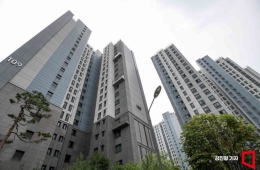
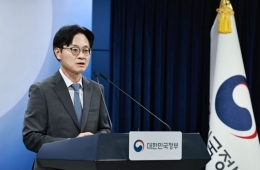
Assemblyman Seo Chunho's "Special Act on Vacant Houses in Rural Areas" Passes National Assembly Plenary Session
Establishing a Systematic Framework for Managing Vacant Rural Houses from Fact-Finding to Maintenance and Utilization
Promoting Vacant House Utilization to Revitalize Local Communities and Address Regional Decline
Seo Chunho, a member of the People Power Party representing Sacheon, Namhae, and Hadong in South Gyeongsang Province and a member of the National Assembly's Agriculture, Food, Rural Affairs, Oceans and Fisheries Committee, announced that the "Special Act on the Maintenance and Utilization of Vacant Houses in Rural Areas (Alternative Bill)," which integrates and coordinates eight legislative proposals including the "Partial Amendment to the Rearrangement of Agricultural and Fishing Villages Act" he sponsored, was passed at the National Assembly plenary session on May 7, 2026.
This special act establishes a comprehensive institutional framework to systematically manage the entire process, from fact-finding investigations on vacant houses left abandoned in rural areas, to the establishment of maintenance plans, implementation of maintenance projects, and post-maintenance utilization.
![[Photo by Chungho Seo, National Assembly Office] Photo of Chungho Seo](http://www.asiae.co.kr/news/img_view.htm?img=2026050813071555178_1778213235.jpg)
In particular, as the bill reflects the "utilization of vacant houses" measure that Assemblyman Seo has continuously emphasized, a legal basis has been established to allow the renovation or repair of vacant houses for use as residential facilities, office spaces, or shared workspaces by entering into agreements with property owners, even without direct purchase of the properties.
As a result, this addresses the limitations in maintenance that arose from property owners' reluctance to sell, and is expected to promote initiatives such as the "Vacant House Bank" project, which supports the transaction and utilization of vacant houses. Through these efforts, new living and economic foundations are anticipated to be established in rural areas.
Additionally, with the passage of the bill, the national government and local governments are now responsible for providing financial support and implementing policies for vacant house maintenance, and a "Vacant House Maintenance Agreement" system will also be established to connect projects of related ministries in areas such as education, culture, and welfare.
As abandoned vacant houses are transformed from simple demolition targets into regional assets such as residential spaces for young people or community facilities, positive effects are expected for improving settlement conditions and revitalizing communities in rural areas.
Hot Picks Today
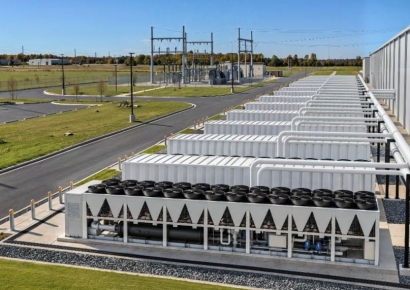 "The Real Winner Controls the Heat"...LG Electronics Bets 150 Billion Won on New Chiller Plant in Virginia, US
- SNU Students Line Up for This Recruitment Fair: "Better Than Large Corporations" [Report]
- "I’m Now Afraid of Chinese People"... Chinese Restaurant Owner Appeals After Being Threatened Over Sign
- "East Antarctica Is Also at Risk"... Wilkes Basin Holds Potential for 3-4m Sea Level Rise [Reading Science]
- "Did It Get Drunk on Electricity?" Police Robot Smashes 20 Flowerpots and Flees the Scene
Assemblyman Seo Chunho stated, "An institutional foundation has been established to transform vacant houses, which had long been left as eyesores in rural areas, into valuable assets for regional development. I hope this special act will not only improve the living environment in rural areas but also serve as a meaningful turning point in addressing the crisis of local extinction."
© The Asia Business Daily. All rights reserved. Unauthorized AI training and use prohibited.