Gyeonggi-do Economic Science Promotion Agency Publishes Report on Third-Generation Digital Therapeutics Industry Trends
The Gyeonggi-do Economic Science Promotion Agency published the report “Analysis of Digital Therapeutics (DTx) Industry and Policy Trends and Implications for Gyeonggi-do” on April 24, analyzing industry and policy developments in the digital therapeutics sector.
Digital therapeutics are software-based medical devices used for disease prevention, management, and treatment. They are gaining attention as third-generation therapeutics, bridging the gap between first-generation low molecular synthetic drugs (tablets) and second-generation biopharmaceuticals (injectables). Patients participate in treatment through smartphone apps or virtual reality programs.
This report was published in order to respond to the rapidly changing medical environment, which is shifting from drug-centered treatments to software-based therapies.
In particular, the report highlighted that digital therapeutics are emerging as third-generation treatments that supplement the limitations of conventional pharmaceuticals, based on their lower development costs, shorter development periods, and higher safety.

The report suggested a strategy for Gyeonggi-do’s policy direction by linking public healthcare and industry. It proposed introducing a “digital welfare model” that applies digital therapeutics to insomnia, depression, and anxiety disorders among medically vulnerable groups, and supports the associated costs, thereby improving the efficiency of public healthcare.
At the same time, the report suggested supporting local companies so they can quickly enter the market by connecting clinical data and technology. It also included measures to strengthen regulatory response capabilities through the operation of advisory panels, education, and consulting.
Kim Hyungon, Director of the Gyeonggi-do Economic Science Promotion Agency, stated, “Digital therapeutics are a core technology that transforms the existing medical system. Gyeonggi-do has proactively established relevant systems, and we will expand support to lower entry barriers for companies and enhance global competitiveness.”
Hot Picks Today
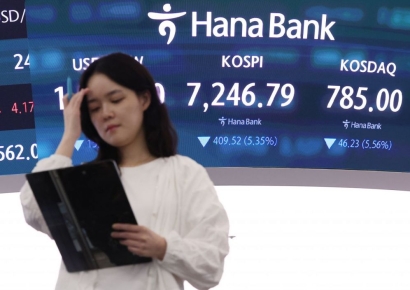 Report That Accurately Predicted KOSPI's 20% Plunge Now Says "Buy Now... Path to 11,450 Points Opens"
- "We Warned You Five Years Ago" Collapse Risk Ignored, Reservoir Finally Fails [Infrastructure, From Construction to Replacement]③
- They Used to Complain About the Smell... Now Americans Are Enthusiastic: "There's a Reason Koreans Eat It Every Day"
- "Whole Fruits Are Too Large and Expensive"...What Shoppers Are Choosing Instead of Seasonal Fruits
- [Exclusive] "Why Are Sales So Strong Only in Korea?"... 200,000 Units Sold in 10 Years Since Entering Korea [Tesla's Solo Run... Hyundai's Counterattack]
Meanwhile, about 42% of all medical device companies in Korea are concentrated in Gyeonggi-do.
© The Asia Business Daily. All rights reserved. Unauthorized AI training and use prohibited.