"Drink Early, Leave Early"... How Gen Z Is Transforming Daytime Drinking Culture [Z World Now]
The "Daycap" Drinking Trend Spreads
Practical Drinking for Daily Life and Health
Low-Alcohol and Non-Alcoholic Markets on the Rise
The so-called "daycap" drinking culture, in which people enjoy a light drink during the day or early evening instead of drinking late at night, is spreading, especially among Millennials & Gen Z. This approach, which involves making use of daytime hours to drink and returning home early rather than staying out late, is seen as a "strategic choice" by young people aiming to take care of both their daily lives and health the next day.
"Gen Z Drinks Earlier... Now You Might Have a Cocktail at 3 PM"

Recently, Business Insider in the United States highlighted the "daycap" trend, reporting, "Millennials & Gen Z tend to drink more intentionally and at earlier times than older generations." The article added, "Given their drinking habits, your next cocktail could be at 3 PM."
According to the report, the younger generation overall drinks less alcohol than their elders, but places greater importance on the atmosphere and experience when they do drink. While in the past, drinking was often about getting intoxicated, today, alcohol consumption is increasingly seen as a means to enjoy oneself. Caroline Begley, Vice President of Marketing at Absolut USA, explained, "Young consumers are intentional not only about what they drink, but also about the time and setting," adding, "There has been a noticeable increase in cases where people enjoy alcohol at daytime gatherings, such as brunch."
This shift is also reflected in related surveys. According to a trend report published this year by the rum brand Bacardi, about 34% of Millennials & Gen Z consumers of legal drinking age said they prefer to drink in the early evening rather than late at night. As a result, light daytime drinking known as "daycap" is becoming a new mainstream drinking culture, replacing the traditional late-night "nightcap."
Some analysts suggest that the reason young people prefer daytime drinking is a rational choice to better manage their condition the following day. Molly Horn, an alcohol expert, told Fox News, "By drinking earlier in the day, they naturally choose beverages with lower alcohol content and end their outings earlier," adding, "This helps with better rest and decision-making." She further emphasized, "Young people now prioritize 'flavor' over simply seeking high alcohol content."
The industry is also noticing changes in drinking habits. Anthony Aviles, Director of Food and Beverage at The Rittenhouse Hotel in Philadelphia, commented, "The era of Red Bull vodka and Jägerbombs ended long ago," adding, "Daytime gatherings offer the chance to go home early, help people manage their mental health, and avoid the pain of a hangover."
He also noted a surge in demand for low-alcohol cocktails and non-alcoholic cocktails (mocktails) suitable for daytime drinking. Aviles analyzed, "Whereas mocktails used to be offered just for the sake of variety, now they have become an essential part of the main lineup."
Drinking Habits Changing in Korea Too... Growth of Non-Alcoholic Market

The situation in Korea is not much different. Driven by the "healthy pleasure" craze, which pursues both health and enjoyment, young people are changing their drinking habits. They are more likely to enjoy "tasty low-alcohol drinks" paired with food or are distancing themselves from alcohol more than previous generations.
In fact, alcohol-related spending among young people has declined noticeably. According to a report published by NH Nonghyup Bank in January, spending at bars by people in their 20s and 30s dropped by 20.9% and 15.5%, respectively, compared to the previous year. During the same period, alcohol purchases also decreased by 7.9% for those in their 20s and by 4.5% for those in their 30s.
Hot Picks Today
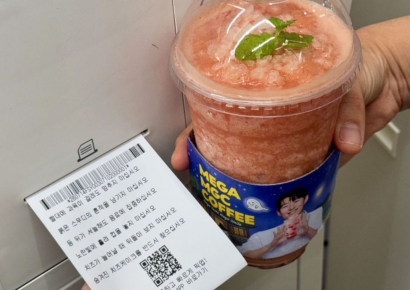 "Printing Ghost Stories on Receipts..." Mega MGC Coffee Sells 1 Million Summer Menu Items in Just Two Weeks
- "The 'Study Geniuses' in Their 30s and 40s Reshape the Industry... China's 'Four Kings' Lead a Multi-Billion Dollar AI Boom"
- "Son, You Don't Have to Stand Night Watch"…Will 'CCTV' Replace a Tradition Once Deemed Essential Due to Frequent Incidents?
- Hyundai Motor CEO Choi Youngil Urges Union to Withdraw Three Key Demands: "Additional Wage Proposal Possible"
- "Really? Koreans Are Like This?"... iPad Left at the Beach Even Wrapped in Plastic by a Stranger
As a result, the non-alcoholic market is also on the rise, as more people want to enjoy the atmosphere without getting intoxicated. Market research firm Euromonitor reported that the domestic non- and low-alcohol beer market grew from 41.5 billion won in 2021 to 64.4 billion won in 2023, and is projected to expand to 95.6 billion won by 2027.
© The Asia Business Daily. All rights reserved. Unauthorized AI training and use prohibited.