"Withdrawal of Lawsuit" Instead of "Withdrawal of Appeal"... Law Firm Ordered to Pay Over 100 Million Won for Shocking Mistake
120 Million Won Awarded in First Instance
"Violation of Duty of Care as Manager"

A law firm that caused significant financial damage to a client by mistakenly submitting a "withdrawal of lawsuit" document instead of a "withdrawal of appeal" in a civil case where the client had already won has been ordered to pay compensation exceeding 100 million won.
According to the legal community on April 2, the Civil Division 5 Single Judge at the Gwangju District Court (Presiding Judge Kim Hanul) ruled in favor of plaintiff A in a damages lawsuit against Law Firm B, located in Dong-gu, Gwangju, and its affiliated attorney. The court ordered the defendants to jointly pay 120 million won to the plaintiff. This ruling was finalized in January.
The incident originated from a real estate-related civil lawsuit that A entrusted to Law Firm B. In the first trial, A partially won, with the court recognizing ownership of a portion of the real estate shares. Subsequently, A filed an appeal regarding the portion that was not recognized. However, as the opposing party did not appeal, A decided to withdraw the appeal to finalize the first-instance ruling.
However, an employee at Law Firm B mistakenly submitted a "withdrawal of lawsuit" document instead of a "withdrawal of appeal" to the court. Once a lawsuit is withdrawn and the withdrawal is confirmed, the effect of the first-instance judgment is nullified, and it becomes impossible to file a new lawsuit, putting the already-won case at risk of becoming meaningless.
As a result, in the process of obtaining the opposing party's "statement of non-consent to withdrawal of lawsuit" to invalidate the withdrawal, A agreed to give up a portion of the real estate shares (worth about 160 million won at market value), suffering substantial losses.
During the trial, Law Firm B argued that it had obtained an agreement from A to "waive the right to litigate" based on a prior payment of 30 million won. However, the court rejected this claim, defining the payment as compensation for emotional distress and clearly establishing the liability for damages.
Hot Picks Today
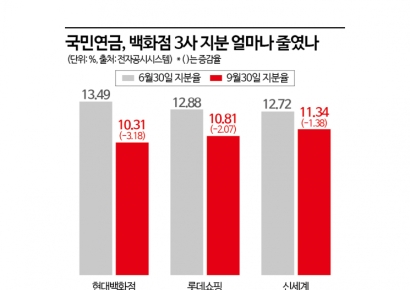 'Big Investor' NPS Has Already Cut Its Losses... Sold Department Store Stocks in Q3 Despite Strong Earnings Outlook
- "There's a Drink Like This?"... Chinese Beverage With "Korean" in Its Name Rakes in 85 Million Won in Monthly Sales
- "Female Teachers Must Wear Skirts in Class"... Outrage Erupts Over Principal's Demand: What's Happening in North Korea?
- "I Put in 10 Million Won, but Only 2 Million Won Is Left" ... 77% Plunge Leaves Retail Investors in Samsung Electronics and SK hynix Leveraged ETFs Crying Out
- "The leggings are all see-through. It's so embarrassing to look at," complaints prompt Lululemon to fire development staff.
The court stated, "The defendant performed its litigation representation in an unfaithful manner, violating the duty of care as a prudent manager and causing the risk of nullifying the plaintiff's favorable judgment," and added, "Given the public interest and expertise required of litigation representation, this constitutes a tort under the Civil Act."
© The Asia Business Daily. All rights reserved. Unauthorized AI training and use prohibited.