Bill Proposed to Promote Filming Locations of Movies and Dramas as Tourism Resources... Institutionalizing 'Screen Tours'
Visitor Numbers Surge at Filming Locations after "The Man Who Lived with the King" Success
Foundation Laid for Designating Special Tourism Zones for Cultural Content

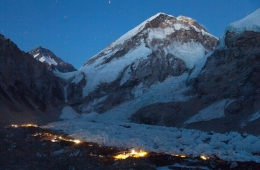
Driven by the success of the movie The King and the Man Who Lives, visitors are flocking to Cheongryeongpo, the exile site of Joseon’s 6th king, Danjong. Photo by Yonhap News Agency
View original imageAssemblyman Jin Jongoh of the Culture, Sports and Tourism Committee announced on April 2 that he had sponsored a partial amendment to the Tourism Promotion Act, aiming to systematically foster tourism resources related to cultural content filming locations.
The proposed amendment authorizes the Minister of Culture, Sports and Tourism to utilize facilities related to filming locations for movies, dramas, and other cultural content as tourism resources, and to establish and implement policies for developing the tourism industry. Upon receiving applications from city and provincial governors, the minister may designate “Special Cultural Content Tourism Zones” and provide administrative and financial support for the development and promotion of tourism products, as well as for the management and preservation of resources. The amendment also includes measures to expand local resident participation, ensure the return of tourism revenue to the region, and protect the living environment.
The background to this proposal is the recent box office success of the movie The King and the Man Who Lives. After its release, the number of visitors to the Mungyeongsaejae Open Set in North Gyeongsang Province increased by approximately 60 percent, while heritage sites related to King Danjong, such as Cheongryeongpo and Jangneung in Yeongwol, Gangwon Province, saw up to a ninefold surge in visitors. A single piece of content has dramatically boosted regional tourism demand.
Currently, the system provides only temporary support at the stage of attracting content production, lacking an institutional foundation to nurture filming locations as sustainable tourism resources. There is also an inadequate response system to address the deterioration of local residents' living environments and the problems of overtourism caused by a sudden influx of tourists.
Hot Picks Today
 "Why Work a White-Collar Job? This Chinese Occupation Now Earns Over 5 Million Won a Month"
Assemblyman Jin stated, “We need an institutional foundation to develop filming locations into sustainable tourism resources, rather than leaving them as one-time consumables,” and added, “By strategically linking cultural content and tourism, we will create a tourism ecosystem that grows together with local communities.”
© The Asia Business Daily. All rights reserved. Unauthorized AI training and use prohibited.