"Bang! Ceiling Collapses, Causing Head Injury" Swimmers Hit by Disaster... 700 Million Won Repair Costs Out of Reach, Safety Neglected
Swimming Pool Ceiling Collapse
Management Gaps at Aging Sports Facilities
Safety Oversight Remains Superficial as Repairs Are Neglected
Local Governments Hold Licensing Authority, Under Fire for Oversight
"Enforcement Actions N
"The ceiling of the swimming pool has collapsed and a member is bleeding from the head. You need to come quickly!"
This was the 119 emergency call received at 6:40 a.m. on March 13 at a private sports center in Jungnang District, Seoul. With a loud crash, the ceiling structure collapsed over Mr. A, who was swimming in the pool on basement level two. Although there were not many users due to the early morning hour, it was a situation that could have easily escalated into a major accident.

The ceiling finish collapsed at a private sports center in Jungnang District, Seoul. Jungnang District Civil Complaints System
View original imageConcerns are being raised over the state of safety management at aging sports facilities, as safety inspections remain largely superficial. Inspections are often limited to visual checks without experts, and administrative authorities cannot immediately enforce repairs, resulting in gaps in management.
According to a comprehensive investigation by The Asia Business Daily on April 2, the site of the recent accident is an old sports center that has been in operation for more than 25 years. The collapse of the swimming pool ceiling finish injured four users. The failure to install a ventilation system to expel chlorine gas and moisture from the pool led to corrosion of the ceiling's metal components, which ultimately resulted in the collapse.
Warning signs such as falling ceiling panels had already been detected before the incident. The center, concerned about a possible collapse, had even installed a net as a precaution, but no substantial repairs were carried out. A representative of the center explained, "The repair costs amount to around 700 million won, which does not just fall from the sky," adding, "We simply could not afford it."
Swimming pools are particularly prone to accidents caused by moisture and other factors if safety management is not carried out in a timely manner. At the Dong-gu National Sports Center in Ulsan this February, a difference in air pressure between the swimming pool interior and the ceiling space caused ceiling panels to detach and materials to fall. Similarly, in June last year, approximately 30 square meters of ceiling panels collapsed at Cheongju Indoor Swimming Pool.
The problem is that such risks are difficult to detect during inspections. The current Sports Facilities Act requires local governments to conduct biannual safety inspections of large sports facilities. However, the composition and qualifications of inspection personnel are not required to include experts, so inspections are usually limited to visual checks by local government officials. An official from Jungnang District stated, "At the time of the inspection, there appeared to be no major issues upon visual observation, and we verbally conveyed the need for repairs due to aging," adding, "It is true that there are shortcomings in a system where district office staff conduct inspections without experts."
Even if a problem is detected visually, immediate repairs are not mandated. If a major defect is found during a safety inspection, facility owners are required by law to carry out repairs, but a grace period of up to one year is allowed before work must begin. As a result, repairs can be delayed even after risk factors are identified, often due to financial burdens and other reasons.
The management of the center involved in the Jungnang District accident also claimed that repair delays were inevitable due to the cost burden and the operational structure. A representative said, "Public sports facilities are maintained and repaired with tax revenue, but private centers rely on membership fees, making it difficult to respond to aging infrastructure," and added, "If repairs are delayed, competitiveness drops, leading to a vicious cycle."
There are growing calls to strengthen the responsibility of local governments and enforce stronger measures to prevent safety accidents at sports facilities used by large numbers of citizens. Choi Myung-ki, Professor at the Korea Industry On-site Professors Group, pointed out, "This could constitute a 'major public disaster' under the Serious Accidents Punishment Act," and added, "If the local district office failed to identify the risk, that indicates a problem with the inspection itself. If the risk was known but no action was taken, then the business owner neglected their management responsibilities."
Hot Picks Today
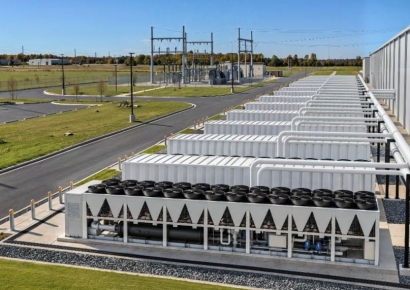 "The Real Winner Controls the Heat"...LG Electronics Bets 150 Billion Won on New Chiller Plant in Virginia, US
- "Everyone from Their 20s to 60s Rushed In"...The 'Top Certification' Even Yoo Yeon-seok and Sung Hoon Obtained
- "I’m Now Afraid of Chinese People"... Chinese Restaurant Owner Appeals After Being Threatened Over Sign
- SNU Students Line Up for This Recruitment Fair: "Better Than Large Corporations" [Report]
- "Did It Get Drunk on Electricity?" Police Robot Smashes 20 Flowerpots and Flees the Scene
He further stated, "There are cases where, rather than bearing the enormous cost of repairs, facilities simply endure by paying fines, thereby endangering the safety of the general public. Since local governments hold the authority to license sports facilities, inspection results should be documented, and if improvements are not made, administrative actions such as suspension or revocation of business licenses should follow."
© The Asia Business Daily. All rights reserved. Unauthorized AI training and use prohibited.