'Multi-Home Owner with 200 Apartments Hid 800 Million Won in Rental Income... National Tax Service Announces Intensive Tax Audit'
Tax Audit Launched for 15 Multi-Home Landlords and Businesses
Suspected Tax Evasion Amounts to 280 Billion Won
Tax Evasion Through Underreporting Rental Income and Inflated Expenses
D, who owns over 200 apartment units in Seoul, Gyeonggi Province, and other regions, operates a residential rental business but failed to report rental income of more than 800 million won from approximately 40 units. In addition, D falsely declared tens of billions of won in interior renovation costs for rental apartments as purchases for unrelated business locations, and transferred his apartments to employees of his own company, disguising the transactions as if they were with third parties, thereby underreporting capital gains by signing contracts at below-market prices. The National Tax Service plans to conduct a thorough investigation into D's omission of rental income, improper reporting of interior renovation expenses for rental apartments, and underreporting of capital gains tax.
On March 30, the National Tax Service announced that it has launched intensive tax investigations targeting multi-home landlords who evade reporting rental income and claim personal or improper expenses, as well as companies that lease apartments and then sell them at high prices after false advertising such as discounted sales.

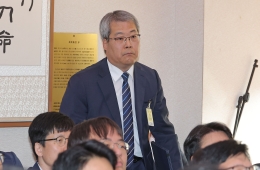
Andoksoo, Director of the National Tax Service Investigation Bureau, is holding a briefing on the commencement of tax investigations targeting multi-home landlords and others at the Government Sejong Complex on the 30th. National Tax Service
View original imageThe current investigation targets a total of 15 entities: seven multi-home rental businesses that own five or more apartment units in Seoul, including the three districts of Gangnam (Seocho, Gangnam, and Songpa) and the Hangang Belt; five corporate rental businesses that own 100 or more apartment units; and three companies that engaged in apartment rentals and high-priced sales through false advertising. According to the National Tax Service, the total amount of suspected tax evasion by these entities amounts to about 280 billion won.
Ahn Deoksoo, Director of the National Tax Service's Investigation Bureau, explained, "Some multi-home landlords have enjoyed various tax benefits, yet have been found to underreport rental income or excessively claim expenses, thereby evading the taxes they are required to pay. The current investigation targets primarily those who lease or sell apartments located in Seoul's three high-priced districts, the Hangang Belt, and the greater metropolitan area, where real estate price increases have been significant."
According to the National Tax Service, as of June 1 last year, the 15 entities under investigation owned 3,141 rental apartment units with an official appraised value totaling 955.8 billion won. Of the 3,141 units, 58.9% are located in Seoul and other metropolitan areas. The individual landlord with the most apartment units owns 247, while the largest corporate landlord owns 764 units.

A panoramic view of apartment complexes in downtown Seoul as seen from Namsan, Seoul. Photo by Dongju Yoon
View original imageSeven of the rental businesses lent jeonse deposits to others without reporting the resulting interest income, and treated personal expenses as corporate expenses for the rental business. In addition, five corporate rental businesses with over 100 apartment units failed to report rental income, falsely declared interior renovation costs as purchases for other business locations, and underreported capital gains tax.
Apartment construction companies that promoted discounted sales to attract tenants, then leased the units and later sold them at high prices, and misappropriated rental and sales profits to benefit affiliates owned by the owner’s family, are also under investigation. According to the National Tax Service, these companies—builders of apartment complexes—recruited tenants with promises of discounted sales, then converted the leases to sales at high prices without any actual discount. These companies unlawfully supported their children’s corporations with tens of billions of won in profits from rentals and high-priced sales, under the guise of construction service fees. Furthermore, they misappropriated tens of billions of won for the construction of the owner's family’s vacation homes, and purchased eight supercars worth about 1.5 billion won each, using such methods to evade approximately 100 billion won in taxes, according to the National Tax Service.
Hot Picks Today
 "ByteDance Employee in His 20s Quits After 'Earning $30 Million from Stocks'... But Here's the Truth"
- What Makes "Chinese Air Conditioners" So Special? Europeans Pay a Premium, Begging for Just One
- "Quitting Delivery Was the Right Move" $30,000 Monthly Windfall... Young Americans Leave Jobs to Start Businesses
- "I Thought My Life Would Change After Getting Hired at SK Hynix, But After Starting Work, My Salary Was..." The Reason Behind the Disappointment
- "Japanese Tourists Once Shouted 'I Want to Go to Korea'... Now They Say 'No Thanks' — Here’s Why"
Director Ahn stated, "Landlords who meet certain legal requirements can receive various tax benefits, such as reductions in capital gains tax, comprehensive real estate holding tax, acquisition tax, and property tax. However, some multi-home landlords have been evading taxes while enjoying these benefits. The National Tax Service will continue to scrutinize and verify multi-home landlords who avoid tax obligations through irregular methods."
© The Asia Business Daily. All rights reserved. Unauthorized AI training and use prohibited.