"Heat Waves and Cold Snaps to Be Included in Health Measures"... Intensive Management of 'Youth Health' Through 2030
Ministry of Health and Welfare Announces 6th Five-Year National Health Promotion Plan
Youth Health, Chronic Diseases, and Climate Crisis Each Become Separate Divisions
Healthy Life Expectancy Falls by 0.5 Years, Income Gap Widens
Equity Indicators Strengthened from 176 to 225
The government has designated the climate crisis and emerging infectious diseases as new health threats, establishing a dedicated division within health policy to proactively address them. It will also work to eliminate health disparities between different income groups and regions by advancing the national health management system from young adulthood through old age.

On March 27, the Ministry of Health and Welfare convened the National Health Promotion Policy Review Committee and announced the "6th National Health Promotion Comprehensive Plan (2026–2030)." This plan adds a new division focused on "climate crisis response health management" to the existing six divisions of the 5th plan, resulting in a total of seven divisions and 32 key initiatives. Youth health and chronic diseases, which were previously sub-tasks within existing divisions, have each been elevated to independent key initiatives.
In the youth sector, the government will expand mental health screenings and initial medical expense support for all young people, and provide mental health services such as one-on-one online counseling for isolated or reclusive youth. The plan also includes customized health management services for health-vulnerable groups, such as young people preparing for independence and young family caregivers. In addition, more community-based sports facilities will be established, and the Healthy Lifestyle Practice Incentive Program will support young people at risk for chronic diseases in adopting healthy habits.
For chronic disease management, the government will develop prevention and management measures tailored to each major chronic disease and establish institutional foundations such as specialized committees. By linking and analyzing community health surveys and national health insurance big data, it will create scientific evidence, and through pilot projects for community-based primary care innovation, it will promote patient-centered integrated community health management models.
The climate crisis division has been newly established to respond to new health threats such as heat waves, cold waves, and emerging infectious diseases. The scope of health impacts from climate change is being expanded from a focus on infectious diseases and heat/cold-related illnesses to covering the entire health sector, including chronic diseases and mental health, with interagency cooperation being pursued. Specifically, an emergency care system will be built to prepare for climate disasters, and the climate crisis health impact surveillance system will be strengthened. Psychological support for victims and response personnel will be enhanced, and relevant legal amendments will provide a policy foundation.
According to the Ministry of Health and Welfare, as of 2022, Korea’s healthy life expectancy was 69.9 years, down 0.5 years from 70.4 years in 2018. The gap between healthy life expectancy and total life expectancy widened from 12.3 years to 12.8 years during the same period. The gap in healthy life expectancy by income level increased by 0.3 years, reaching 8.4 years in 2022 compared to 8.1 years in 2018. Of the 64 key indicators in the 5th plan, 16 (25.0%) — including suicide mortality, prevalence of diabetes, and prevalence of obesity — worsened compared to 2018.
In response, the 6th plan designates representative equity tasks for each key initiative, with a focus on monitoring and evaluating the implementation of these policies. The number of equity indicators has been increased from 176 to 225 to strengthen management. The government will also monitor disaggregated data on health disparity indicators by gender, income level, and region, and analyze and provide information on health disparities and their causes to help local governments develop equity-promoting policies tailored to regional circumstances.
The government has also revised its performance indicators upward by reflecting the 123 major national policy tasks and the 5th Comprehensive Dementia Management Plan. Each ministry will develop annual implementation plans to strengthen execution, and efforts will be linked with local governments’ regional health care plans and community integrated health promotion projects.
Hot Picks Today
 "Why Is the Amount in My Account So Low?"... Why Pension Savings Subscribers Were Surprised
- "After Sleeping Well with Strangers"... Who Is the 24-Year-Old Woman Who Won 19 Million Won?
- "SK hynix to Hit 4.7 Million Won, Samsung 670,000 Won"... Why Nomura's Bold Forecast justifies it
- "Even Underwear Has to Be Cut Up with Scissors"... China Hit by Rise of "Trash Hunters" in an "If You're Slow, You're Out" Scramble
- "NPS loses 240 trillion won, 1990s-born get zero pension"... What's behind rumors spreading after the KOSPI plunge?
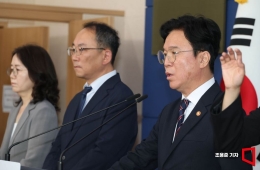
Second Vice Minister Lee Hyunghoon stated, "We have developed new initiatives and management strategies to effectively address health disparities in response to policy changes such as climate crisis response, chronic disease management, and youth health," adding, "We will ensure the smooth implementation of the 6th plan by joining forces with all ministries and local governments."
© The Asia Business Daily. All rights reserved. Unauthorized AI training and use prohibited.