Auto Insurance Loss Ratio Hits 86.7% in February... Deficit Becomes Structural and Prolonged
Average of Four Major Insurers Exceeds Break-Even Point
Insurers Raise Premiums as Loss Ratio Worsens
Although the auto insurance loss ratio in February slightly decreased compared to last year, the prolonged deficit is becoming structural.

According to the non-life insurance industry on March 24, the average auto insurance loss ratio for the four major companies—Samsung Fire & Marine Insurance, Hyundai Marine & Fire Insurance, DB Insurance, and KB Insurance—stood at 86.7% last month.
This represents a decrease of 1.8 percentage points compared to the same month last year (88.5%).
However, since the auto insurance loss ratio is typically considered to break even at 80%, the deficit structure continues.
The cumulative loss ratio through February was 88.1%, which is up by 3.0 percentage points compared to last year.
As the loss ratio worsened, insurers halted the downward trend in premiums that had lasted four years and raised premiums by around 1% in the early to mid-range this year.
However, since the premium increases are being applied sequentially, their impact appears to be limited for now.
An industry official stated, “Although premiums have been slightly increased this year, it is the result of four consecutive years of premium cuts accumulating in the past.”
Hot Picks Today
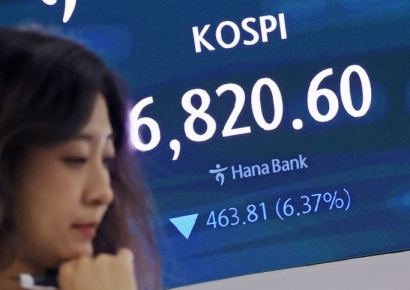 Securities Firms Reverse Course as KOSPI Falls Below 7,000... More Downgrade Reports Than Upgrades in July
- Turned on the Air Conditioner All Night and Woke Up with a Sore Throat... It's Not Just a Cold [Kok! Health]
- "Crisp and Stress-Relieving: K-Fruit Exports Hit KRW 130 Billion, Which New Star Is Rising in Japan?"
- "Spiders Crawling Across Faces While Sleeping"... Naju Apartment Complex Plagued by Spider Infestation
- Even Without Overdue Card Payments... Everyday Habits That Lower Office Workers' Credit Ratings
The official added, “There are also negative factors for future loss ratios, such as an increase in traffic accidents due to large temperature fluctuations and spring fatigue, as well as rising costs for parts and repairs caused by inflation.”
© The Asia Business Daily. All rights reserved. Unauthorized AI training and use prohibited.



![[Breaking] Coupang Apologizes for Incheon Logistics Center Fire…“Will Fully Cooperate With Authorities’ Investigation”](https://cwcontent.asiae.co.kr/asiaresize/307/2026071820375349810_1784374673.jpg)