SKT and Ericsson Strengthen AI-Based Network Technology Cooperation: "Preparing for 6G"
SK Telecom is joining forces with Ericsson to prepare for the 6G era through artificial intelligence (AI)-based network innovation.
On March 19, SK Telecom announced that it had signed a memorandum of understanding (MOU) with Ericsson to strengthen cooperation on AI-based network technologies ranging from 5G to 6G.
Through this agreement, the two companies will establish a cooperative framework to ensure the continuous evolution of network technologies. They plan to drive the practical application of innovative technologies in the 5G environment while also laying the groundwork for long-term 6G research and standardization.
This agreement focuses on joint research and validation of advanced network technologies. The scope of collaboration covers a variety of areas, including: ▲ AI-based Radio Access Network (AI-RAN), ▲ advancement of 5G, ▲ open and autonomous networks, ▲ security, and ▲ 6G standardization and future technologies.

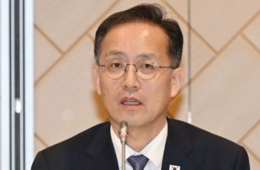
(From left) Takgi Ryu, Head of Network Technology at SK Telecom, and Marten Lerner, Head of Network Strategy and Products at Ericsson.
View original imageThe companies will seek to improve network performance, security, and energy efficiency through collaboration in the AI-RAN domain. AI-RAN is a technology that enables the network to learn and predict channel environments autonomously, performing optimization and managing resources efficiently. Additionally, by advancing 5G technology, they aim to create new business opportunities and establish the foundation for next-generation services.
In the area of open and autonomous networks, the two companies will conduct research to automate network operations. The goal is to enhance productivity and operational efficiency even in multi-vendor environments, where equipment from multiple manufacturers operates together.
In the security domain, the companies plan to enhance the protection of networks and devices across 5G and 6G environments by leveraging a zero-trust framework and continuous monitoring, while also advancing their capabilities to respond to real-time threats. The zero-trust framework is a security model that does not inherently trust any access—internal or external to the network—and continuously verifies users and devices before granting access.
The companies will also expand their collaboration in 6G standardization and future technologies. This includes frequency strategy, the evolution of massive multiple-input multiple-output (MIMO) antenna technologies, energy efficiency technologies, and ISAC (Integrated Sensing and Communication), which combines communication and sensing.
Hot Picks Today
 "Jealous of Koreans" - Now a Must-Do on Every Trip... The Place Where Foreigners Spent KRW 229.8 Billion
- [Exclusive] Piling medicines into a basket and setting them on the counter: "Ready to check out?" ... Misuse concerns mount, but the government remains in the dark.
- "'No! Dad, Run!'... Father Moved by 5-Year-Old Son Who Shielded Him from Ghost at Korean Folk Village"
- "I thought getting into a big company was the goal"... The 'position' only 1 in 121 employees reaches
- "Please Let Me Go Home"... Customers Trapped in Department Store Parking Lot for 5 Hours Vent Their Anger
Ryoo Takgi, Head of Network Technology at SK Telecom, said, "Through globally standardized and validation-focused research, we aim to secure world-class technological leadership in AI-based network evolution and the 6G field."
© The Asia Business Daily. All rights reserved. Unauthorized AI training and use prohibited.