490 Slots Allocated for "Regional Doctor Program"... Kangwon National and Chungbuk National Universities Receive Largest Increase with 39 Each
March 13: Ministry of Education Pre-Notifies "2027–2031 Medical School Quota Allocation Plan"
The government has completed the allocation of increased medical school admissions quotas for each university for the 2027 academic year. The total quota for 40 medical schools nationwide will rise by 490, from 3,058 in the 2024 academic year to 3,548. All of the increased slots will be filled through the "Regional Doctor Program" at 32 universities outside of Seoul. The largest increases are at Kangwon National University and Chungbuk National University, each with 39 additional slots.


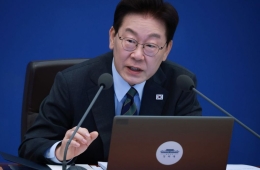
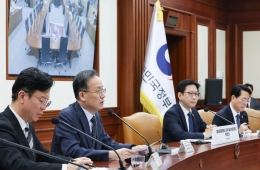
On March 13, Minister of Education Choi Gyojin held a briefing at the Sejong Government Complex and announced that the "Medical School Quota Allocation Plan for the 2027~2031 Academic Years," including these details, has been notified in advance to all 40 medical schools nationwide. Earlier, on February 11, following the Ministry of Health and Welfare’s notification of the post-2027 medical school quota, the Ministry of Education provided universities with the relevant plan and formed a "Quota Allocation Committee" to conduct university-by-university quota allocation reviews.
As a result, the 490 additional slots for next year have been evenly distributed among the 32 non-metropolitan medical schools, excluding Seoul. By region, the allocation is as follows: Incheon/Gyeonggi 24 (2027 quota: 233), Busan/Ulsan/Gyeongnam 97 (556), Daegu/Gyeongbuk 72 (423), Gwangju 50 (300), Jeonbuk 38 (273), Daejeon/Chungnam 72 (404), Chungbuk 46 (135), Gangwon 63 (330), and Jeju 28 (68). As the expansion of medical school quotas aims to strengthen essential local healthcare services, all increased slots will be filled through the Regional Doctor Program. Consequently, the eight universities in Seoul (total quota: 826) have been allocated zero additional slots.
By university, Kangwon National University and Chungbuk National University have received the largest increases, with 39 new slots each. With this expansion, the medical school quotas at both universities will rise from 49 to 88, an increase of about 80 percent. This is attributed to the upper limit for quota increases at national medical schools with fewer than 50 students rising from 50 percent to 100 percent. From the 2028 to 2031 academic years, the quota will increase by 49 for each university, doubling the total quota over this period to 98 compared to the current level.
Chonnam National University and Pusan National University will also see their medical school quotas increase by 31 each for next year. The quotas at both schools will rise from 125 to 156, an increase of about 25 percent. From 2028 to 2031, the quota will reach 163, making them the medical schools with the largest quotas nationwide. As of the 2024 academic year, Seoul National University has the largest medical school quota at 135. The university receiving the smallest increase is CHA University, which will add two slots to bring its total quota to 42.
Going forward, the Ministry of Education plans to focus on upgrading educational facilities, securing laboratory and practice equipment, and ensuring that each university can provide the necessary staff and infrastructure for the expanded quotas. Additionally, it will establish "Regional Doctor Support Centers" to help students with academic support, career exploration, and post-graduation career development. Collaboration with local public hospitals, medical centers, and primary and secondary healthcare institutions will enable students to gain clinical experience not only at university hospitals but also at a range of healthcare sites. In particular, to address concerns about "doubling" in the 2024 and 2025 medical school cohorts due to increased student numbers, the "Medical Education Advisory Group" will review needed support measures, facilitate smooth participation in national exams, and consider flexible adjustments to residency training quotas.
Hot Picks Today
 "Three times Lee Jaeyong's fortune?"... Meet China's richest man, who amassed 134 trillion won at 43.
- "What Happened to Mighty Tesla?"... "Cut Your Exposure," Analysts Warn [Click eStock]
- "I Made an Extra 6 Million Won a Month"... "This Can Actually Make Money?" The Twist Behind a Few Pieces of Junk
- "27,000 Won for an Hour of Walking?"... Robot Dog-Walking Jobs in the U.S. Now Pay by the Hour
- "If You See It, Avoid It"... 'Superfood' Fruit Kills 12-Day-Old Baby
Minister Choi stated, "Because all the increased slots will be filled under the Regional Doctor Program, we expect this to play an important role in improving regional healthcare conditions and protecting the lives and health of local residents. We will continue to communicate and provide support at the university level to improve the conditions for medical education and foster outstanding medical professionals."
© The Asia Business Daily. All rights reserved. Unauthorized AI training and use prohibited.