[US-Iran War] IMF: "Central Banks May Respond If Inflation Is Triggered"
Focus on the Surge in Energy Prices, Including Oil
Interest Rates Spike Over the Weekend...Markets on Alert
IMF: "Could Have a Very Significant Impact"
The International Monetary Fund (IMF) has warned that a prolonged war between the United States and Iran could worsen the global economic outlook. In particular, there is speculation that if surging energy prices, including oil, fuel inflation, central banks around the world may respond with policy actions.

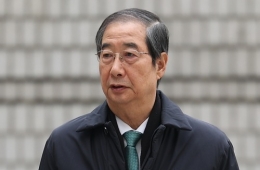
According to the New York Times on March 3 (local time), Dan Katz, First Deputy Managing Director of the IMF, stated at a Milken Institute conference held in Washington, D.C., that "war can have a very significant impact on the global economy across various indicators," identifying inflation and economic growth rates as key variables.
Since the outbreak of the war, oil and natural gas prices have continued to surge. According to the Wall Street Journal, Brent crude rose 6.7% to $77.74 per barrel on March 2, while West Texas Intermediate (WTI) climbed 6.3% to $71.23 per barrel. The Dutch TTF futures, the benchmark for European gas contracts, soared past 60 euros ($69.64) per megawatt-hour on March 3, marking an increase of about 76% from the previous week.
The IMF is closely monitoring the impact of the current war on energy prices, the tourism industry, and regional infrastructure. Deputy Managing Director Katz said, "Disruptions in the energy sector are likely to have the most widespread ripple effects." He also pointed out the sharp rise in oil prices and warned, "A chain reaction could be triggered."
The IMF is also keeping a close watch on financial market responses. Deputy Managing Director Katz said, "If more persistent shocks and higher energy costs destabilize inflation expectations, central banks may step in with policy responses." If concerns about renewed inflation due to oil price shocks intensify, central banks around the world could implement additional interest rate hikes and other monetary policy measures.
Hot Picks Today
 "Two Spend 500,000 Won in a Flash, Yet Wait Two Hours?" ... 'Dreamland' Shunned by Kids and Foreign Tourists
- The Era of Getting 200 Million Won After 30 Years Is Over... A Japanese Bank's "Perpetual Department Head" Who Just Clocked In Cries Out
- Spain Hit by Its Worst Tragedy... Lee Kangin, Moreno and Real Madrid Join Soccer World in Mourning
- They Said, “Make It Your Home for Life” - Then Suddenly Kicked 200 Passengers Off... What Happened to the Around-the-World Cruise?
- "130 Rice Bowls Sold Out in a Day"... 'Unfiltered Face' Adds 8 Million Won to Night Market Sales: China's Bungeunwoo
Last October, the IMF projected that global economic growth would reach 3.1% this year. While this is a slowdown from the previous year's 3.2%, the figure was revised upward based on expectations that the negative impact of tariffs would be limited. Deputy Managing Director Katz added that the IMF had anticipated global uncertainty this year would shift from international economic relations to the spread of artificial intelligence (AI), but over the weekend, geopolitical tensions have once again come to the forefront.
© The Asia Business Daily. All rights reserved. Unauthorized AI training and use prohibited.