"Side Effects of U.S. Tariff Shock Shifted to Other Countries" BOE Member Warns of 'Tariff Paradox'
China Cuts Prices for U.S.-Bound Goods,
But Raises Prices for Products Shipped to Other Countries
Catherine Mann, a member of the Monetary Policy Committee at the Bank of England (BOE), warned that "the trade war triggered by U.S. President Donald Trump is worsening inflation in the United Kingdom." She assessed that China is raising the prices of export products bound for the UK in order to recoup the tariff costs it has to pay to the U.S. government.

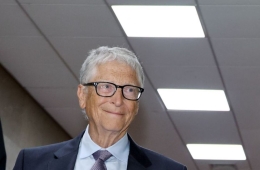
Mann Catherine, member of the Monetary Policy Committee at the Bank of England. Yonhap News
View original imageBloomberg News reported on the 10th that Mann dismissed the argument made in some quarters that "as China diverts exports from the United States to other countries, the UK will see disinflation (a slowdown in price increases)," saying this in response at the Global Interdependence Center event in California, United States.
She said, "The reason prices in the United States have not surged despite the increase in U.S. import tariffs on about 300 billion dollars (about 437.85 trillion won) worth of goods is that import prices into the United States themselves have fallen," and argued, "China lowered prices on products for the U.S. market, but instead raised prices on products destined for other countries."
This result directly contradicts the projections made by economists in April last year, immediately after President Trump's trade war began. At that time, it was expected that Chinese products blocked from being exported to the United States would flood into other markets and push prices down. Alan Taylor, another member of the BOE's Monetary Policy Committee, also argued last month that "the U.S. tariff shock against China is forcing China to cut prices, thereby easing inflationary pressure in the UK."
Recently, the BOE even incorporated into its latest economic outlook the assumption that the U.S.-China trade war is pushing up UK import prices. Mann, who voted last week to keep the interest rate unchanged at 3.75 percent, has recently expressed concern about an economic slowdown and hinted that she could soon support an interest rate cut. At that meeting, 5 of the 9 Monetary Policy Committee members voted to hold rates and 4 voted for a cut.
Hot Picks Today
!["What Is This?" Jensen Huang Amazed... Korea's Iconic 'Health Gift' Captivates Foreigners [K-Holic]](https://cwcontent.asiae.co.kr/asiaresize/93/2026100214090749281_1790918713.jpg) "What Is This?" Jensen Huang Amazed... Korea's Iconic 'Health Gift' Captivates Foreigners [K-Holic]
"What Is This?" Jensen Huang Amazed... Korea's Iconic 'Health Gift' Captivates Foreigners [K-Holic]
- "I Ate at Home to Save Money, But My Account Balance Was Still a Shock"
- Suddenly Called Out During Class, Awarded $100,000 as Students Cheer in the Gym
- "After a Dream About Feces, Bought a Lottery Ticket and Won 20,000 Won... Scratched Again and Hit a 2 Billion Won Jackpot"
- "Uncle Will Buy Them All for Wonie"... Men in Their 30s Sweep Up 600,000 'RESCENE Bread'
Mann also pointed out that Brexit (the UK's withdrawal from the EU) is still holding back the UK economy. She said that continued weakness in consumer spending, corporate investment, and productivity has lowered the threshold at which the economy can grow without stoking inflation. Referring to her role in managing the economy as a central banker, Mann voiced her frustration, saying she "would rather be driving a racing car than a pony."
© The Asia Business Daily. All rights reserved. Unauthorized AI training and use prohibited.