After Australia and France... This Country Moves to Ban SNS Access for Those Under 15
Turkey Submits Bill to Parliament on SNS and Online Games
SNS Access Blocked for Those Under 15, Regardless of Parental Consent
Restrictions Introduced to Allow Only Age-Appropriate Games
The Turkish government is moving to ban minors under the age of 15 from accessing social networking services (SNS). Previously, countries such as Australia and France have implemented similar measures.

According to Yonhap News on February 2 (local time), citing Turkish state broadcaster TRT Haber, "The Turkish Ministry of Family and Social Services has recently drafted an SNS regulation policy centered on this measure and submitted it to lawmakers of the ruling party."
According to the report, authorities plan to set the minimum age for SNS use at 15 in order to protect the safety and privacy of children. Access to SNS platforms will be blocked for those under 15, regardless of parental consent. If this bill passes, platforms such as X (formerly Twitter), Facebook, Instagram, and TikTok will be required to implement mandatory age verification systems to prevent local children from signing up.
As of October last year, the total number of SNS users in Turkey was about 63.2 million, accounting for 70.9% of the population. On average, they use SNS for 25 hours per week, and 89.5% are active on Instagram.
The new policy also includes the introduction of age-based rating systems for online games, so that children can only access games appropriate for their age group. As a result, game companies must provide tools that allow parents to control account settings, require parental approval for paid transactions, and track and limit the amount of time spent on games.

Last December in Sydney, Australia, a teenager is shown a warning that they cannot access their Facebook account. Photo by AP News Agency
View original imageRecently, countries around the world have been moving to restrict SNS use by minors. Since December of last year, Australia has been blocking SNS accounts for those under 16. According to Australian regulatory authorities, within just one month of the policy's introduction, companies had deleted or blocked 4.7 million accounts belonging to users under 16 as of early last month. In France, a bill banning SNS use for those under 15 passed the lower house last month, and two state governments in India are also pursuing similar legislation.
In 2023, the top U.S. public health authority warned that SNS use could pose a serious risk to the mental health of adolescents, calling for urgent action from authorities, companies, and families. At the time, Vivek Murthy, Surgeon General of the U.S. Public Health Service Commissioned Corps (PHSCC), stated, "Children are not simply small adults. They are at a different stage of development than adults, especially at a critical stage of brain development," and pointed out, "Teenagers who use SNS for more than three hours a day are twice as likely to experience symptoms of depression and anxiety."
Hot Picks Today
 "Wow, Have Middle-Aged Men Had This All to Themselves?"... Women in Their 20s and 30s Find Comfort in a Standing Drink
- "Koreans Spend 1 Million Won Each and Come Back"... 'They Said They Were Going for Value for Money,' but Open Their Wallets Wide in Japan
- They Earn “430 Million Won a Year” Yet Receive Government Aid... AI Hub Declares Emergency Over “8.8 Million Won Monthly Rent”
- "Naked Again?" Controversial Actress Crosses a Line... Slammed for Sexualizing 'Child Characters'
- "They Get a Good Night's Sleep and Earn Twice My Salary... Honestly, I'm So Jealous I Could Die": Civil Servant's Post Targeting Firefighters Sparks Outrage
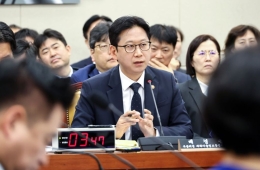
Meanwhile, according to the "2024 Internet Usage Survey" released last June by the Ministry of Science and ICT and the National Information Society Agency, the SNS usage rate among students was 46.8% for elementary school students, 77.4% for middle school students, and 83.5% for high school students, showing a rapid increase with age. As a result, discussions on regulating SNS use among adolescents are also emerging in Korea. Kim Jongchul, Chairman of the Broadcasting, Media and Communications Committee, stated at a National Assembly confirmation hearing last year, "Protecting adolescents is a key priority," and said he would seek alternatives such as strengthening the authority of legal guardians to give consent.
© The Asia Business Daily. All rights reserved. Unauthorized AI training and use prohibited.