Medical Innovation Committee Narrows Down to '10 Key Agendas in 3 Main Areas'... Finalization by End of February
Second Meeting of the Medical Innovation Committee Held
Agenda Streamlined to Focus on Strengthening Regional, Essential, and Public Healthcare
Three Specialized Subcommittees to Be Established
The Medical Innovation Committee, which will lead the medical reform initiatives of the Lee Jaemyung administration, has consolidated its medical innovation agenda into 10 tasks across 3 major areas, with plans to finalize them by the end of next month.

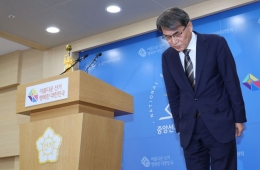
Jung Ki-hyun, Chair of the Medical Innovation Committee, is speaking at the 2nd Medical Innovation Committee meeting held on January 29 at the Government Seoul Office in Jongno-gu, Seoul. Photo by Yonhap News
View original imageOn January 29, the Ministry of Health and Welfare held the 2nd Medical Innovation Committee meeting at the Government Seoul Office. Following the first meeting, the committee reviewed 12 proposed agenda items across 4 areas during a private sector workshop held on January 15-16. As a result, the agenda was streamlined to 10 tasks in 3 major areas: strengthening local, essential, and public healthcare; establishing a healthcare system for a super-aged society; and enhancing sustainability in preparation for future environments.
First, in the area of strengthening local, essential, and public healthcare, the agenda includes three key tasks: reinforcing essential medical services such as emergency, obstetrics, and pediatrics and establishing a medical accident safety net; training future healthcare professionals; and expanding and enhancing the capabilities of public medical institutions. For establishing a healthcare system for a super-aged society, the agenda covers building a home-based medical and care system and creating an environment for end-of-life care; expanding integrated nursing and caregiving services and improving the quality of caregiving services; and establishing a preventive-focused healthcare system. Lastly, in the area of enhancing sustainability for the future environment, the agenda includes establishing a sustainable national healthcare expenditure management system; building a healthcare system to respond to crises such as climate change and pandemics; developing a future-oriented innovative healthcare system incorporating artificial intelligence and technological innovation; and establishing governance for healthcare policy, including finance and workforce.

The committee plans to finalize the agenda at its 3rd meeting at the end of February, after gathering public input through surveys and other channels. To enhance the expertise and efficiency of discussions on each agenda item, three specialized subcommittees-local, essential, and public healthcare; healthcare systems for a super-aged society; and future environment response-will be established under the committee and will operate on a biweekly basis.
The committee also discussed ways to collect public opinions. It will hold small-scale, in-depth meetings with residents in medically underserved areas and conduct surveys on the overall state of healthcare access in these regions. For agenda items that attract significant public interest after selection, citizen panels will be formed and recommendations will be developed through public deliberation. In addition, to ensure transparency in the committee’s discussions and encourage public participation, an online platform tentatively named "Healthcare for All Citizens" will be launched in March.
The meeting also included discussions on government plans to train more physicians and establish a safety net for medical accidents. The government is currently discussing, through the Health and Medical Policy Review Committee, the criteria and specific application plans for determining the scale of physician training for academic years from 2027 onward. It has also pre-announced legislation for the enforcement decree and rules of the law on the training and support of regional doctors, which defines the regional doctor system.
There was consensus on the need to increase medical school enrollment, and opinions were raised that more attention should be paid to the quality of medical education and the realities of educational settings. In particular, regarding the regional doctor system, it was suggested that not only mandatory service but also new curricula, proactive roles for local governments, and the design of career pathways should be well prepared as follow-up policies.
The government also reported on plans to establish a medical accident safety net, which includes measures to promote communication between patients and medical staff and to limit criminal liability for medical acts performed to the best of one’s ability. Many committee members noted that the current medical accident system has significant negative impacts on both patients and medical professionals, and thus needs improvement.
Hot Picks Today
![[Exclusive] "This Is Why Samsung Stands Out"... Onnuri Gift Certificates Replace Loyalty Points](https://cwcontent.asiae.co.kr/asiaresize/93/2026060511022289079_1780624942.jpg) [Exclusive] "This Is Why Samsung Stands Out"... Onnuri Gift Certificates Replace Loyalty Points
[Exclusive] "This Is Why Samsung Stands Out"... Onnuri Gift Certificates Replace Loyalty Points
- "Seoul's Nightlife Transformed: Why Fewer People Ride the Subway After Midnight"
- "What Would Those Ignorant People Know? They Won't Notice If We Don't Give Them Ballots"…Drama Scene Resurfaces Amid Ballot Shortage Crisis
- 172,000 Jobs Added in U.S. in May...Employment Slowdown Predictions Missed
- "Surge in Buying After Samsung Bonuses: 'Gap Investment Hotspot' Faces Regulation as Prices Soar by 480 Million Won in Six Months [Real Estate AtoZ]"
The committee stated its intention to closely communicate with the government to ensure that the results of the day’s discussions are reflected in policy. Jung Ki-hyun, Chair of the Medical Innovation Committee, said, "We will swiftly establish the specialized subcommittees and begin full-scale discussions to develop measures that the public can truly feel."
© The Asia Business Daily(www.asiae.co.kr). All rights reserved.