[Breaking] Nursing Hospital Exploiting Cancer Patients' Money After Seizing Allowances from Salt Farm Victims
Claims of 20-30% Cash Paybacks on Cancer Patient Hospital Fees
No Proper Treatment Provided... Visits to Seoul and Hwasun Hospitals
Patients Purchase Specialized Medicines Directly from Pharmaceutical Companies
Inpatient Rooms Provided to O

"They are luring cancer patients with the promise of paybacks and keeping them trapped. Even when illegal activities are exposed, the investigative authorities just stand by and do nothing, which is extremely frustrating."
On January 5, a man identified as Mr. A told reporters, "My wife, Ms. B, has been hospitalized for several years as a cancer patient in the cancer care ward at C Nursing Hospital in Samgak-dong, Buk-gu, Gwangju." He added, "However, C Nursing Hospital is not providing proper treatment. By repeatedly engaging in illegal medical practices, my wife's health has been deteriorating."
It has now been eight years since Ms. B was admitted to C Nursing Hospital. According to Mr. A, Ms. B pays about 9 million won per month in hospital fees, of which around 3 million won—about 30%—is returned to her in cash as a payback from the hospital. This hospital is known to provide cash paybacks of 20–30% of hospital fees to patients, depending on the amount and length of their stay.
Notably, while Ms. B and most other cancer patients are experiencing worsening conditions, they are unable to break free from the temptation of these paybacks. Mr. A said that whenever he tries to persuade Ms. B to receive proper treatment elsewhere, she only replies, "Other places might not offer paybacks like this."
The main issue is that, despite paying 9 million won in hospital fees, most patients are not receiving proper treatment. Mr. A explained, "A single high-frequency treatment is priced at 300,000 to 400,000 won, and massages for skincare and similar services are set at 150,000 won each. Every month, the care manager schedules the treatments." He further stated, "Patients are buying drugs themselves, mixing their own IV solutions, and nurses only administer the injections. It is heartbreaking that Ms. B is spending millions of won on hospital fees, while her condition worsens, forcing her to seek chemotherapy and other treatments at Hwasun Chonnam National University Hospital and another hospital in Seoul."
Previously, Ms. B had been hospitalized as a cancer patient for about five years at another nursing hospital in Yudong, Buk-gu, Gwangju. At some point, someone recommended C Nursing Hospital to her, and now Ms. B, along with five other cancer patients, has been transferred and admitted there.
Mr. A said, "I can't understand why cancer patients spend extra money to buy specialty drugs, like vitamins, directly from pharmaceutical company employees and then adjust the dosage themselves." He added, "Once, I found some oral medication in the car and asked about it. Ms. B said, 'It's chemotherapy medication that I bought in advance. Everyone does it this way.'"
He continued, "After recent media coverage, the hospital reportedly collected all medications that patients were storing personally, including massage machines, and is now storing them separately. People at C Nursing Hospital are spreading false rumors, saying things like, 'Other nursing hospitals have committed even bigger illegal acts, and nothing happened,' to reassure the patients."
C Nursing Hospital has also shown cunning tactics to encourage long-term hospitalization by providing patient rooms even during periods when patients are officially on outpatient treatment. The hospital is said to exploit the fact that most insurance companies only cover about six months of inpatient cancer treatment—offering rooms during outpatient periods and then readmitting patients afterward.
Mr. A lamented, "Illegal medical practices are openly taking place at the hospital, but they keep saying, 'There's no chance of getting caught, so don't worry. There's no need to be discharged.' This is frustrating. The real problem isn't the fear of being caught for illegal acts, but that patients are not receiving proper treatment. It's also questionable that the hospital director is aware that patients are purchasing specialty drugs on their own but does nothing to stop it."
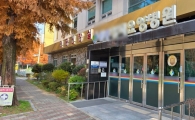
Meanwhile, C Nursing Hospital is under police investigation after evidence emerged that it had misappropriated the living allowances of Shinan labor exploitation victims and other residents for several years. The building owner of the hospital, Pastor Park, was indicted by prosecutors on charges of quasi-fraud and embezzlement after siphoning off 90 million won from a patient's account under the pretense of a deposit and embezzling a total of about 20 million won over six transactions.
Related Articles
 [Breaking] Nursing Hospital Accused of Siphoning Benefits from Salt Farm Victims Suspected of Illegal Medical Practices in Cancer Ward
- Gwangju Nursing Hospital Under Investigation for Alleged Seizure of Welfare Benefits from Salt Farm Victims (Comprehensive)
- [Breaking] "Authorities Knew of 'Sinan Salt Farm Slave Subsidy Extortion' Three Years Ago"... Negligence Worsened the Damage
- [Breaking] "Treated as an Object, Not a Person, at Sinan Salt Farm and Gwangju Nursing Hospital"
In addition, allegations have surfaced that the cancer ward at C Nursing Hospital is involved in multiple forms of insurance fraud and illegal medical activities, such as the sham hospitalization of patient Lim, employing nurses as ghost employees, allowing patients to personally manage and administer specialty drugs, and falsifying documents for non-reimbursable medical services.
© The Asia Business Daily. All rights reserved. Unauthorized AI training and use prohibited.