National Assembly Passes 2025 Budget Bill in Plenary Session... First Lee Jaemyung Administration Budget Set at 727.9 Trillion Won (Update)
Total Revenue Set at 675.2 Trillion Won, Total Expenditure at 727.9 Trillion Won
Third On-Time Passage Since the National Assembly Advancement Act
Plenary Session Approval Just Before Midnight After Ruling and Opposition Negotiations
On December 2, the National Assembly passed next year’s budget bill. For the first time in five years, the budget was processed within the legal deadline.
The 2025 budget bill was approved in a plenary session of the National Assembly, with 248 votes in favor, 8 against, and 6 abstentions out of 262 members present.
Compared to the original proposal submitted by the government, the total revenue in the budget bill passed by the National Assembly increased by 1 trillion won, from 674.2 trillion won to 675.2 trillion won. The total expenditure, commonly referred to as the budget, was finalized at 727.9 trillion won, 1 trillion won less than the original 728 trillion won. As a result of the National Assembly’s review, revenues, including those from various funds, increased, while total expenditures decreased in accordance with the budget agreement between the ruling and opposition parties.

As a result of the National Assembly’s review, an additional 1.1 trillion won was allocated for the U.S. investment support program. An additional 252.3 billion won was added for the establishment of a disaster recovery system to prevent data loss in the national information network. The budget for supporting a pilot project for basic income in rural areas experiencing population decline was increased by 63.7 billion won. To ease the burden of tuition fees, the national scholarship budget was increased by 70.6 billion won, and the unit cost for childcare support for children aged 0 to 2 was raised by 19.2 billion won. The budget for increasing allowances to enhance recognition for veterans was also raised by 18.4 billion won. In addition, a new budget of 61.8 billion won was allocated for the creation of an AI mobility pilot city to commercialize autonomous vehicles.
Hot Picks Today
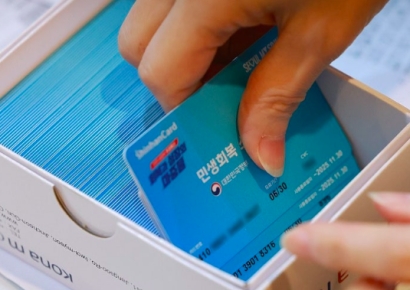 "300,000 Won Grant" Shelved at Chuseok to Go to All Residents After All... This City Says It Will Pay Before Lunar New Year
- "Didn't Save This Money to Leave to Our Kids?"... Retired Couples Spend $10,000 on a Single Trip
- Friend Who Went Abroad Goes "Silent"... 617 South Koreans Out of Contact, What's Going On?
- Anthropic Files for Nasdaq IPO ... Could It Be the Largest Ever?
- "Stockpile 9 Liters of Bottled Water and Three Days' Worth of Food"... UK on Edge as Nationwide Emergency Preparedness Alert Issued
On the other hand, support for the trade response program was reduced by 700 billion won, and the trade insurance fund, which had been allocated as a contribution for the U.S. investment program, was reduced by 570 billion won. However, this reduction was offset by the increased budget for the U.S. investment support program. In addition, the contingency fund was reduced by 200 billion won compared to the government’s proposal of 4.2 trillion won. The budget for military facility improvements was also cut by 110.5 billion won.
© The Asia Business Daily. All rights reserved. Unauthorized AI training and use prohibited.