Suncheon City Allocates Record 1.5669 Trillion Won Budget, Largest in South Jeolla History
Strengthening Livelihoods, Future Industries, and Residential Conditions

Suncheon City in South Jeolla Province has allocated 1.5669 trillion won for its 2026 main budget. This marks an increase of 90 billion won (6.1%) from the previous year, making it the largest budget in the city’s history and ranking first among the 22 cities and counties in South Jeolla for the second consecutive year based on the main budget. The city explained that its fiscal independence and fiscal self-reliance ratios also rank among the highest in the province, further solidifying its status as the largest city in South Jeolla.
To support livelihoods and the local economy, the city has allocated 14 billion won for the Suncheon Love Gift Certificate, 1.9 billion won for special guarantees and interest support for small business owners, and 1 billion won for youth employment programs. The budget for rural basic living hub development (15.9 billion won), public benefit subsidies for farmers and fishermen (9.8 billion won), and support for female and young farmers has also been significantly increased.
In the welfare sector, while statutory mandatory expenditures such as basic pensions, childcare fees, and senior job programs form the core, the budget also includes funding for infrastructure expansion, such as the construction of the Northern Senior Welfare Town.
The culture, content, and bio industries are centered around the Balanced Development and Bio-specialized Knowledge Industry Center (13.7 billion won), the Cultural City Initiative (8 billion won), the Tidal Flat Healing Tourism Platform (7.9 billion won), the Glocal University Project (2.3 billion won), and the Cultural Content Strategic Fund (2.2 billion won). These initiatives align with Suncheon City’s three major economic pillars-culture, space and defense, and bio-as well as its AI and smart city strategies.
Notable investments are also being made to improve residential conditions. The city expects 80 billion won in revenue from the sale of land in the Yeonhyangdeul urban development project and will proceed with the purchase of land for the Namhaean Namjung Region Comprehensive Sports Park (7.7 billion won), the Integrated Biogas Facility (7 billion won), the Shindae Public Parking Lot (6.5 billion won), and river maintenance projects.
Hot Picks Today
!["It's Great to Make Quick Profits Again Today," But... The Problem of Identical ETFs Flooding the Market [ETF 400 Trillion Era]](https://cwcontent.asiae.co.kr/asiaresize/93/2026033110173797170_1774919857.png) "It's Great to Make Quick Profits Again Today,"...
"It's Great to Make Quick Profits Again Today,"...
- "Graduated Second from Technical High and Switched Jobs, Satisfied When Checking...
- Jeon Jaesu: "I Love Ha Jungwoo... A True 'Buk-gu Native' Who Attended All Local ...
- Israeli Soldier Smiling, Woman Trembling... Italian Magazine Photo Shocks the Wo...
- Order Now, Receive in 4-5 Years... "We Get First in Line at That Factory" Slot R...
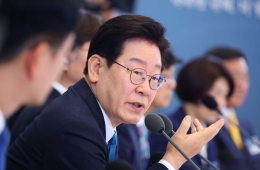
Mayor Noh Kwan-gyu stated, "Despite worsening fiscal conditions due to the economic downturn and high inflation, we have been able to increase the budget every year through sound and transparent fiscal management. This year’s expanded budget is focused primarily on restoring livelihoods and the economy, and we have concentrated our resources on strengthening urban competitiveness and preparing for future growth by making strategic investments in culture, content, and future industries."
© The Asia Business Daily(www.asiae.co.kr). All rights reserved.