China Imposes Additional Retaliation, Halts Japanese Seafood Imports Just Two Weeks After Resumption
Kyodo: "China Halts Imports for Contaminated Water Monitoring"
Asahi: "Japan Fears Stricter Rare Earth Export Controls"
Kyodo News reported on the 19th that China has notified the Japanese government of its decision to halt imports of Japanese seafood. This comes just two weeks after resuming imports of Japanese seafood.
The Chinese government conveyed this decision through official diplomatic channels on the morning of the same day.

Previously, on the 7th, Japanese Prime Minister Sanae Takaichi stated during a House of Representatives Budget Committee meeting that a "Taiwan contingency" would constitute a "situation threatening Japan's survival," which would allow Japan to exercise its right to collective self-defense. Since then, China has continued to issue strong criticism, escalating its pressure by advising against travel and study in Japan, and postponing Japanese film screenings, among other measures.
In August 2023, China imposed a total ban on imports of Japanese seafood after Japan began discharging contaminated water (referred to as "treated water" by the Japanese government) from the Fukushima Daiichi Nuclear Power Plant.
Subsequently, in June of this year, China announced it would resume imports of seafood from regions other than the 10 prefectures that had been subject to import bans prior to the water discharge. On the 5th of this month, six tons of frozen scallops from Hokkaido were shipped to China, marking the first import of Japanese seafood in about two years. However, after just two weeks, China has once again decided to suspend imports.
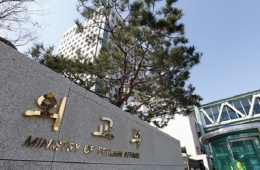
Kyodo News, citing a Japanese government official, reported that the Chinese side claimed the suspension was necessary to monitor the contaminated water.
At a briefing on the 7th, the Chinese Ministry of Foreign Affairs announced it would strengthen management and supervision of Japanese seafood exports, stating, "If any risk factors are detected, we will immediately impose import restrictions in accordance with the law." The ministry also said it would continue both international monitoring and its own sample collection monitoring of the Fukushima nuclear-contaminated water, and requested that Japan allow this.
When China decided to resume imports of Japanese seafood, it required Japan to register relevant facilities and submit certificates verifying inspection for radioactive substances.
The Japanese government appears to be on alert for the possibility of China expanding its retaliatory measures. On the same day, the Asahi Shimbun reported that the Japanese government is concerned that China's retaliatory actions could extend to stricter export controls on rare earths.
An official from the Ministry of Economy, Trade and Industry, which oversees rare earths, expressed caution, stating, "It would not be surprising if anything were to happen at any time."
Hot Picks Today
 "Bonuses Should Be Paid in Local Currency"... O...
- "SK hynix Shares My Mother Bought at 30,000 Won Now Worth 900 Million Won"... 3,...
- [Reading Science] "Quitting Smoking Alone Is Not Enough"... Fracture Risk Double...
- "I Gave Up on Taste"... Young People Forced to Endure Meals on 5,000 Won a Day
- "What Is Annual Leave? We Go to Work Even When Sick"... The Reality for Kinderga...
Japan previously faced difficulties due to China's rare earth export restrictions after a dispute over sovereignty of the Senkaku Islands (known as Diaoyu Dao in China). In 2010, after a collision between a Chinese fishing boat and a Japanese Coast Guard vessel, China suspended rare earth exports to Japan. In 2012, when Japan nationalized the Senkaku Islands, China tightened customs inspections and initiated a boycott of Japanese products, dealing a blow to the Japanese economy.
© The Asia Business Daily(www.asiae.co.kr). All rights reserved.