Xi Jinping's 'Common Prosperity Society' Fails?…Record High Income Gap Between Chinese Cities
Top 20% Per Capita Disposable Income
6.3 Times Higher Than Bottom 20% Households
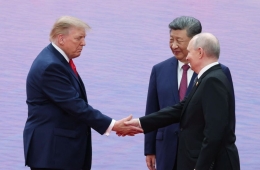
Chinese President Xi Jinping has set "common prosperity (living well together)" as a core policy direction, but it has been revealed that the wealth gap between cities in China reached an all-time high level until last year.

The Nihon Keizai Shimbun cited data from China's National Bureau of Statistics on the 4th, reporting that last year, the per capita disposable income of the top 20% of households in urban areas was 6.3 times higher than that of the bottom 20%. This is the largest gap since statistics began to be compiled in 1985. In 2015, the disposable income gap in urban areas was 5.3 times, indicating that the wealth gap has worsened over the past eight years.
The trend in disposable income growth also shows a deepening wealth gap. Last year, the average disposable income of the top 20% increased by 4.5% compared to the previous year. In contrast, the bottom 20% saw only a 1.3% increase. This means that the lower-income group had a smaller increase in disposable income compared to the previous year.
In rural areas outside urban centers, the wealth gap was even more pronounced. According to the statistics bureau, last year the per capita disposable income gap between the top 20% and bottom 20% of households in rural areas expanded to 9.2 times. This is the highest level in four years.
Compared internationally, China's income disparity stands out. According to Credit Suisse, a Swiss investment bank, the wealth concentration rate of the top 1% income group in China reached 31.1%, rising by 0.6 percentage points from the previous year. In contrast, among the 14 major countries compared, 11 saw a decline in wealth concentration rates year-on-year. China recorded the largest increase among these 14 countries.
This has led to criticism that President Xi's common prosperity policy has failed to produce proper results. Xi set the policy goal of "common prosperity" for the first time in 2021 to address economic inequality. The trigger was the economic downturn caused by COVID-19, during which economic imbalances emerged as a factor of social unrest. However, companies hit by regulatory crackdowns have faced successive management difficulties, leading to evaluations that the policy only exacerbated China's economic recession.
There are also concerns that excessive corporate debt in China is widening the income gap. Recently, companies at risk of insolvency have been surviving management difficulties through refinancing. Financial asset holders who lent money to these companies and some corporations have been earning huge interest income.
Hot Picks Today
 "Two Spend 500,000 Won in a Flash, Yet Wait Two Hours?" ... 'Dreamland' Shunned by Kids and Foreign Tourists
- The Era of Getting 200 Million Won After 30 Years Is Over... A Japanese Bank's "Perpetual Department Head" Who Just Clocked In Cries Out
- Spain Hit by Its Worst Tragedy... Lee Kangin, Moreno and Real Madrid Join Soccer World in Mourning
- They Said, “Make It Your Home for Life” - Then Suddenly Kicked 200 Passengers Off... What Happened to the Around-the-World Cruise?
- "130 Rice Bowls Sold Out in a Day"... 'Unfiltered Face' Adds 8 Million Won to Night Market Sales: China's Bungeunwoo
There are worries that as the wealth gap widens, criticism may be directed at the Communist Party regime. The Nihon Keizai Shimbun stated, "If coercive policies are taken against private companies, the crucial economic growth may become a scapegoat," and "social unrest caused by polarization could turn into criticism of the regime."
© The Asia Business Daily. All rights reserved. Unauthorized AI training and use prohibited.