MFDS Conducts Collection and Inspection of Summer High-Consumption Products Such as Edible Ice and Slushies
The Ministry of Food and Drug Safety announced on the 5th that from the 7th to the 20th of this month, it will conduct collection and inspection in 17 cities and provinces to strengthen the hygiene and safety of highly consumed foods such as edible ice and slush, which are expected to see increased demand during the summer season.

The collection and inspection targets include a total of 650 cases of edible ice and Dutch coffee (cold brew) prepared and sold at coffee shops and fast food outlets, slush sold at snack bars, and ice cream products produced by food manufacturing and processing companies.
The inspection items include food poisoning bacteria (Salmonella, Staphylococcus aureus, etc.), Escherichia coli, bacterial count, and food coloring. Products deemed non-compliant will be subject to administrative measures, recalls, and disposal in accordance with relevant laws and regulations.
Additionally, the Ministry of Food and Drug Safety plans to provide hygiene management guidelines to strengthen the management of ice makers used in coffee shops and fast food outlets where edible ice is collected.
Hot Picks Today
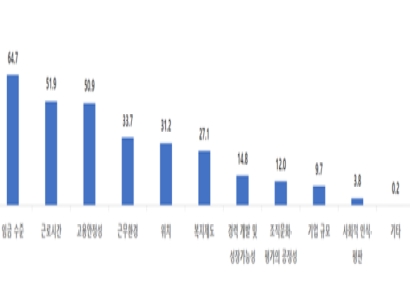 "Please Pay Me at Least 3 Million Won a Month": More Than Half of Young People Today Prioritize "Working Conditions" Over Company Size
- Selling Like Crazy Every Year... 30-Year-Old Hetbahn Takes on a New Challenge: Tastes Better Than "Mom's Home Cooking" [On-Site Report]
- "It's so popular you can't get it": 'Legendary liquor' returns after 11 years, causing a stir... 'Newtro' craze takes over convenience stores [How We Shop Today]
- "Hey, Lady, Teach Your Kids to Behave!" ... 300,000 Won in Cash and a Bodily Injury Claim Demanded Over Child's Door Ding
- "Don't Trust This Woman": Documentary on 'Investment Scammer' Earns KRW 22 Billion in One Week
Business operators providing edible ice using ice makers must regularly clean and disinfect the ice makers, replace filters, and clean the water supply and drainage hoses to remove water stains and sediments inside the ice makers. Also, for tools used to scoop ice (scoops), sterilizers and disinfectants (food additives) suitable for sterilizing and disinfecting food utensils, containers, and packaging should be used, and the tools must be thoroughly dried to ensure no disinfectant residues remain on their surfaces.
© The Asia Business Daily. All rights reserved. Unauthorized AI training and use prohibited.