Daejeon City to Invest 2.7 Trillion Won in Water Quality and Ecological Restoration of Three Major Rivers

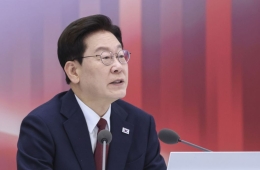
Lee Jang-woo, Mayor of Daejeon, is announcing the plan to promote the '3 Major Rivers Green Waterway Grand Plan' at Daejeon City Hall on the 28th. Provided by Daejeon City
View original image[Asia Economy (Daejeon) Reporter Jeong Il-woong] Daejeon City is set to restore the water quality and ecology of the region's three major rivers: Gapcheon, Yudeungcheon, and Daejeoncheon.
The city announced on the 28th that it will invest a total of 2.7 trillion KRW from next year until 2030 to implement the "Three Major Rivers Blue Waterway Grand Plan."
The Grand Plan aims to create "rivers where people and nature become one, and Daejeon as a first-class environmental city" by improving the first-grade water quality and ecological restoration throughout the entire sections of the three major rivers, as well as establishing a disaster-free and low-carbon environment.
The city also plans to focus on revitalizing the unique characteristics of each river through this project.
First, for the Gapcheon watershed, the plan includes designating it as a UNESCO pilot watershed, designating Wolpyeong-dong as a national wetland protection area, creating waterfronts linked to Doryong-dong Riverside Park, Jeonmin-dong Flowerland, Eoeun-dong River Forest, and Norubeol, and designating a specialized section for the natural monument Miho loach.
For the Yudeungcheon watershed, the plan involves improving the congested road on the right bank, creating a natural art museum in Gajang-dong and a river forest in Jungchon-dong, designating a specialized section for the endangered species Gamdolgogi, and for the Daejeoncheon watershed, upgrading the remaining sections of the integrated Daejeoncheon river project to national river status, improving congested roads in the upper stream, and designating a specialized section for Oegari.
Among these, Daejeoncheon was recently included in the Ministry of Environment’s "Regionally Customized Integrated River Project" competition, securing half of the total project cost of 351.4 billion KRW as national funding, thereby strengthening the momentum for project implementation.
The core projects for Daejeoncheon include expanding river maintenance water supply, demolishing the riverbed road, and gradually expanding a 12.7 km section including embankment roads, nearby redevelopment project district lanes, and congested roads through the integrated Daejeoncheon river project.
The city estimates the economic effect of the Grand Plan project at 7.7 trillion KRW and expects to create about 30,000 jobs.
Hot Picks Today
 "Two Spend 500,000 Won in a Flash, Yet Wait Two Hours?" ... 'Dreamland' Shunned by Kids and Foreign Tourists
- The Era of Getting 200 Million Won After 30 Years Is Over... A Japanese Bank's "Perpetual Department Head" Who Just Clocked In Cries Out
- Spain Hit by Its Worst Tragedy... Lee Kangin, Moreno and Real Madrid Join Soccer World in Mourning
- They Said, “Make It Your Home for Life” - Then Suddenly Kicked 200 Passengers Off... What Happened to the Around-the-World Cruise?
- "130 Rice Bowls Sold Out in a Day"... 'Unfiltered Face' Adds 8 Million Won to Night Market Sales: China's Bungeunwoo
Mayor Lee Jang-woo of Daejeon said, "Daejeoncheon will be reborn as an eco-friendly ecological river where concrete structures such as riverbed roads, artificial weirs, and revetment blocks are completely removed, allowing people to enjoy the water as they did in their childhood." He added, "Once this project is completed, the entire sections of the three major rivers are expected to improve to first-grade water quality, a daily flow of 100,000 tons, and a flood margin of over 1 meter."
© The Asia Business Daily. All rights reserved. Unauthorized AI training and use prohibited.