Prosecutor-Led 'Drug Scandal' Expands... Kim Mo Former Police Chief's Son Also Surrenders
Following the revised presidential decree implemented last September, direct investigations are now possible
Supplementary investigations on police-transferred cases
Minister Han Dong-hoon expresses strong will to crack down on drug offenders

Liquid marijuana injection syringes and liquid marijuana cartridges seized by the prosecution from the defendant's residence, who was arrested and indicted on charges of selling, smoking, and possessing marijuana. Photo by Seoul Central District Prosecutors' Office
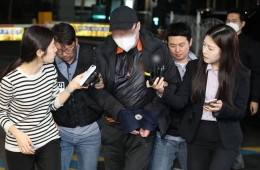
View original image[Asia Economy Reporter Choi Seok-jin, legal affairs specialist] It was reported on the 17th that three individuals have surrendered following the Seoul Central District Prosecutors' Office indicting nine people, including heirs of conglomerate families and celebrities, on charges of violating the Narcotics Control Act (marijuana).
Among the three who surrendered is reportedly the son of former National Police Agency Commissioner Kim, signaling a potential expansion of the 'drug scandal' involving children of influential figures.
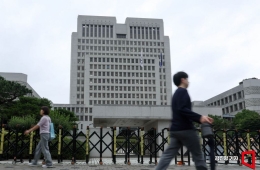
According to legal circles on the day, the Violent Crimes Division of the Seoul Central District Prosecutors' Office (Chief Prosecutor Shin Jun-ho) is currently investigating three individuals, including office worker A, on charges of violating the Narcotics Control Act.
Previously, in November, the prosecution indicted Hong (age 40), the second son of the late Hong Doo-young, honorary chairman and founder of Namyang Dairy Products, on charges of possession and habitual use of marijuana.
Hong is accused of regularly receiving liquid marijuana from Korean-American B, who was indicted alongside him, and not only using it himself but also sharing his marijuana with acquaintances and international students and smoking it together.
The three who surrendered this time all purchased liquid marijuana from Hong and reportedly turned themselves in after hearing about the indictments of Hong and those who bought liquid marijuana from him.
As a result, the total number of defendants indicted and suspects under investigation related to this drug case has increased to 12.
Drug distribution crimes had been beyond the prosecution's investigative authority due to adjustments in investigative rights between the police and prosecution and the amendment of the Prosecutors' Office Act, known as the 'complete prosecution investigation abolition' law. However, since the revised presidential decree (regulations on the scope of crimes for prosecutors' investigation initiation) took effect on September 10, direct prosecution investigations have become possible.
This time, the prosecution apprehended the remaining defendants, including distributors, through supplementary investigations of cases transferred by the police under detention.
Earlier, on September 20, the police transferred C to the prosecution under detention on charges including marijuana cultivation. Although marijuana cultivation equipment was found at C's residence, it is reported that the police neither seized the equipment nor requested narcotics analysis for the seized marijuana before transferring the case to the prosecution.
However, the prosecution initiated a direct investigation and conducted a second search of C's residence on September 26. During this process, they secured messages and remittance records related to marijuana sales by other suspects and expanded the investigation.
Additionally, by tracking international mail concealed with marijuana sent by an overseas drug dealer seized at C's residence, the prosecution identified and indicted the remaining suspects. One of these suspects was linked to liquid marijuana possession, which led to the arrest of B.
The prosecution's investigation revealed that B manufactured and distributed liquid marijuana cartridges by injecting liquid marijuana into empty liquid cigarette cartridges sold domestically using syringes.
The prosecution plans to expand the investigation, believing there are more drug offenders connected to these individuals.
In October, the Supreme Prosecutors' Office announced a policy to fully combat 'drug and livelihood-related crimes' and declared the formation of special investigation teams at four major prosecutors' offices nationwide?Seoul Central, Incheon, Busan, and Gwangju?in cooperation with related agencies such as the Korea Customs Service, National Intelligence Service, Ministry of Food and Drug Safety, Ministry of Health and Welfare, and local governments.
The prosecution's plan is to enable joint investigations across all regions nationwide: Seoul Central District Prosecutors' Office covering the metropolitan area, Gangwon, and Chungcheong regions; Incheon District Prosecutors' Office covering Incheon Airport, ports, and metropolitan and Chungcheong regions; Busan District Prosecutors' Office covering Busan Airport, ports, and Yeongnam region; and Gwangju District Prosecutors' Office covering Mokpo and Gunsan ports and the Honam region.
On the 15th, Minister of Justice Han Dong-hoon expressed a strong determination to crack down on drug offenders at the first national task inspection meeting held at the Blue House State Guest House.
He stated, "Since 2015, South Korea is no longer a drug-free country. The number of student drug offenders has increased fivefold over ten years, and those in their 20s and 30s have long accounted for over 50% of drug offenders."
Minister Han added, "This is clearly a serious situation. However, if we fight like at war from now on, we can stop it. We must not become a country where parents worry about their children using drugs when sending them to school. Our government will definitely stop it."
Hot Picks Today
 Despite "Insufficient Balance" Notices, They Board Anyway... Reports of Foreign Fare Evasion Mounting
- "If It Helps My Child's Studies, It's Worth Every Penny"... U.S. Parents Open Their Wallets for $10,000 Tests
- [Exclusive] "We Came for a KRW 140,000 Trip": Following Chinese Tourists in Korea Uncovers a 'Suspicious' Tour
- "I'm paying to stay, and you want me to do the laundry and dishes too?" ... Airbnb bans excessive cleaning demands
- "Baek Jongwon Had Been Quiet, Then Hit It Big"... Waits in the 100s in U.S. Despite KRW 46,000 Pork Belly
He continued, "We will strongly crack down on distribution and manufacturing," adding, "In September, some of the prosecution's drug investigation powers, which had been abolished by the 'complete prosecution investigation abolition' law, were restored. Centered on the prosecution's special drug investigation team, we will strictly punish distribution and manufacturing."
© The Asia Business Daily. All rights reserved. Unauthorized AI training and use prohibited.