Seoul Apartment Prices Rise Again with Increased Gains... Reflecting "O Se-hoon-led Reconstruction Expectations"
Real Estate 114, Weekly Trends in Apartment Prices in the Seoul Metropolitan Area

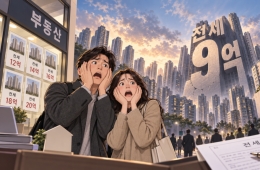
[Asia Economy Reporter Kim Hyemin] The rate of increase in apartment sale prices in Seoul expanded again last week. Although the upward trend had slowed due to concerns over cash settlement in public-led redevelopment projects, the expectation of relaxed reconstruction regulations following the election of Seoul Mayor Oh Se-hoon appears to have been reflected in the sale prices.
According to Real Estate 114 on the 17th, the rate of change in Seoul apartment sale prices recorded 0.08%, an increase of 0.03 percentage points compared to the previous week. While general apartments rose by 0.06%, reconstruction apartments increased by 0.18%, driving up the overall growth rate. The rise in reconstruction apartments was the highest in about two months since February 26, when it increased by 0.22%.
Until last week, the increase in Seoul apartment sale prices was showing signs of slowing down. Real Estate 114 stated, "There is a mood that expectations for the revitalization of redevelopment and reconstruction projects are being reflected in prices," adding, "In particular, reconstruction apartments in Gangnam-gu and Songpa-gu led the price increases."
By district, the highest growth rates were seen in ▲Dobong (0.2%) and ▲Nowon (0.16%), where mid-to-low priced apartments are concentrated. Real Estate 114 explained that in Dobong, asking prices for older apartments have been steadily rising amid a shortage of available properties. This was followed by ▲Yangcheon (0.16%), ▲Yongsan (0.13%), ▲Guro (0.12%), and ▲Songpa (0.12%). In Yangcheon-gu, Mokdong New Town complexes 3 and 7 rose by 40 to 50 million KRW. Among major reconstruction promotion complexes, Hanbo Midomanseon in Daechi-dong, Gangnam-gu; Sinbanpo 22nd complex in Jamwon-dong, Seocho-gu; and Jamsil Jugong 5th complex in Jamsil-dong, Songpa-gu increased by 15 to 50 million KRW.
New towns rose by 0.04% compared to the previous week. The upward trend continued mainly in Pyeongchon (0.14%), where demand increased due to expectations of transportation improvements. Gyeonggi and Incheon rose by 0.07% compared to the previous week. Demand concentrated in the relatively undervalued Siheung area (0.27%) due to expectations for new town development.
The jeonse (long-term lease) market also seems to have returned to an upward trend after a period of weakness centered on some areas with high move-in volumes this year. Seoul rose by 0.04% compared to the previous week. Although five autonomous districts saw declines last week, this week only Gangdong-gu experienced a decrease. New towns rose by 0.02%, and Gyeonggi and Incheon increased by 0.04%.
Hot Picks Today
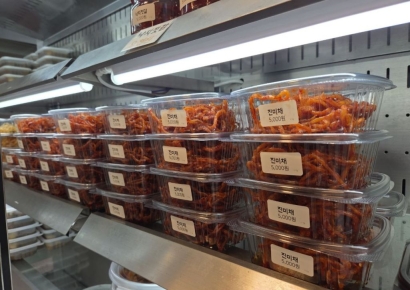 "Auntie, When Will Dried Shredded Squid Return as a Side Dish?"...Once Vanished from Restaurants, Now Making a Comeback
- "Saved Up for Overseas Trips, but When Can We Use Them?"... Korean Air Mileage Surpasses 3 Trillion Won
- "They Thought They Hit the Jackpot: Thieves Steal Nvidia-Branded Trailer, Flee After Discovering Only Sand Inside"
- Resident in Cardiac Arrest After Fire in Eunpyeong Multi-Family Residence on Chuseok
- Already 1,000 Examined, Stirring Up Protest: "Why Go to the Army When We Said No?" Students Rally in the Streets
Yoon Ji-hae, chief researcher at Real Estate 114, said, "Following Mayor Oh’s confirmed election, price increases are prominent in areas preferring private-led reconstruction projects such as Gangnam area, Mokdong in Yangcheon-gu, and Yeouido in Yeongdeungpo-gu," adding, "Since regulatory relaxation is essential to expand housing supply in downtown Seoul, the upward trend led by reconstruction is expected to continue for the time being."
© The Asia Business Daily. All rights reserved. Unauthorized AI training and use prohibited.