Jeonse Eviction Lawsuit, Don't Panic and Submit Your Response Within 30 Days First
Eviction Lawsuits During Moving Season: 3 Key Precautions
① Check the Contents of the Answer
② Write According to the Proper Format
③ Submit the Answer Within 30 Days

View of apartments in Songpa and Gangnam areas from Maebongsan Mountain in Seoul
During moving season, legal conflicts and eviction lawsuits between landlords demanding "vacate the house" and tenants refusing to "vacate" surge sharply. Many tenants feel wronged by landlords' unfair eviction requests. Experts advise that if it is clear that there is no contractual right to reside, vacating is natural; otherwise, tenants should actively respond to eviction lawsuits.
An eviction lawsuit refers to a civil lawsuit filed by the owner of real estate or others to recover possession of the property from those occupying it. According to the '2020 Judicial Yearbook' released by the Supreme Court last year, there were 36,709 first-instance eviction lawsuits in 2019, with over 30,000 such cases filed annually.
Real estate specialist attorney Eom Jeong-sook advised, "The three most important things when facing an eviction lawsuit are ▲checking the contents of the answer statement ▲writing it in the proper format ▲submitting the answer statement within 30 days."
Article 256, Paragraph 1 of the Civil Procedure Act stipulates that an answer statement must be submitted within 30 days. Simultaneously, Article 257, Paragraph 1 states that if no answer statement is submitted, it is considered an admission, and a judgment can be made without trial.
Attorney Eom said, "If a tenant does not submit an answer statement within 30 days in an eviction lawsuit, the court regards the landlord's claim as admitted and issues a judgment without trial."
She added, "When you receive an eviction lawsuit document from the court, it is important to immediately consult a legal expert, even if it costs money, prepare the answer statement in accordance with the law, and submit it within 30 days."
Article 65 of the Civil Procedure Rules regulates the contents of the answer statement. Specifically, besides basic information, it includes ▲whether each fact stated in the complaint is admitted ▲defenses and the specific facts supporting them ▲methods of evidence related to these.
Attorney Eom said, "When drafting the answer statement, first write the case number and parties involved, then respond to the claim's purpose and grounds."
She continued, "For the response to the claim's purpose, write '1. The plaintiff's claim is dismissed.' and '2. Litigation costs shall be borne by the plaintiff.' For the response to the claim's grounds, write the grievances concretely and in accordance with the law."
Hot Picks Today
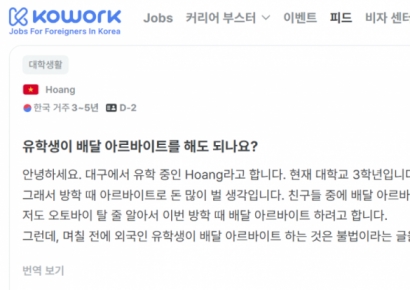 "I Came to Korea and Easily Made 3.3 Million Won a Month"... The "Easy Gig" Everyone's Talking About Among International Students Turns Out to Be...
- More Than 900 Schools Shut One After Another... Japan in Turmoil Over 'Infectious Disease' Outbreak
- North Korean Landmine Incident... Angry Male Support for Ruling Party Falls 10.5 Points [Asia Business Daily-Realmeter Poll]
- "Hand in Your Resignation and Get a Year's Salary"... This Country Pushes Early Retirement for Civil Servants
- "Oh Eunyoung's Consultation Fee: Millions of Won? Not Expensive"... Yonsei Professor's Sharp Rebuke over "300,000-Won Lecture Fee"
© The Asia Business Daily. All rights reserved. Unauthorized AI training and use prohibited.